Five Techniques That Fix Most Bad Home Cooking
Most disappointing dinners aren't recipe failures — they're technique failures. The recipe said “sear until golden” and didn't mention that golden needs a dry surface, an empty pan, and patience. Learn these five and the same recipes start tasting like the photograph.
1. Dry food, hot pan
Browning — the Maillard reaction — is what makes seared chicken, crisp tofu, and caramelized edges taste like restaurant food. It needs a hot pan and a dry surface: pat proteins down before they hit the oil, and let the pan preheat properly. Food added to a lukewarm pan steams; steamed chicken is nobody's favorite.
2. Don't crowd the pan
Every piece you add cools the pan and releases moisture. Pack a skillet full and you're boiling in your own steam — gray, wet, sad. Work in batches if needed; it costs five minutes and buys you the browning that carries the whole dish.
3. Salt at the right stages
Salt does different jobs at different times: salt the boiling water so the grains and vegetables absorb it, season proteins before searing so it gets in rather than sitting on top, and taste the sauce at the end rather than trusting the recipe's number. Food tastes underseasoned almost always because the salt missed its window, not because there wasn't enough.
4. Rest the protein
Cut a chicken breast the second it leaves the pan and the juices run out onto the board — that's moisture the plate needed. A few minutes of rest lets the juices reabsorb and finishes the cooking gently. It's the difference between a moist fillet and the same fillet, drier, eaten one minute earlier.
5. Acid at the end
The most common missing ingredient in home cooking isn't exotic — it's acid. A squeeze of lemon, a splash of vinegar, a spoon of pickled something in the final thirty seconds wakes up a dish that tasted flat at minute twenty. Nearly every recipe on this site ends with one; now you know why.
Hot and dry, uncrowded, seasoned in stages, rested, finished with acid. Five habits, no new equipment — and most of your cooking problems quietly disappear.
Try these recipes
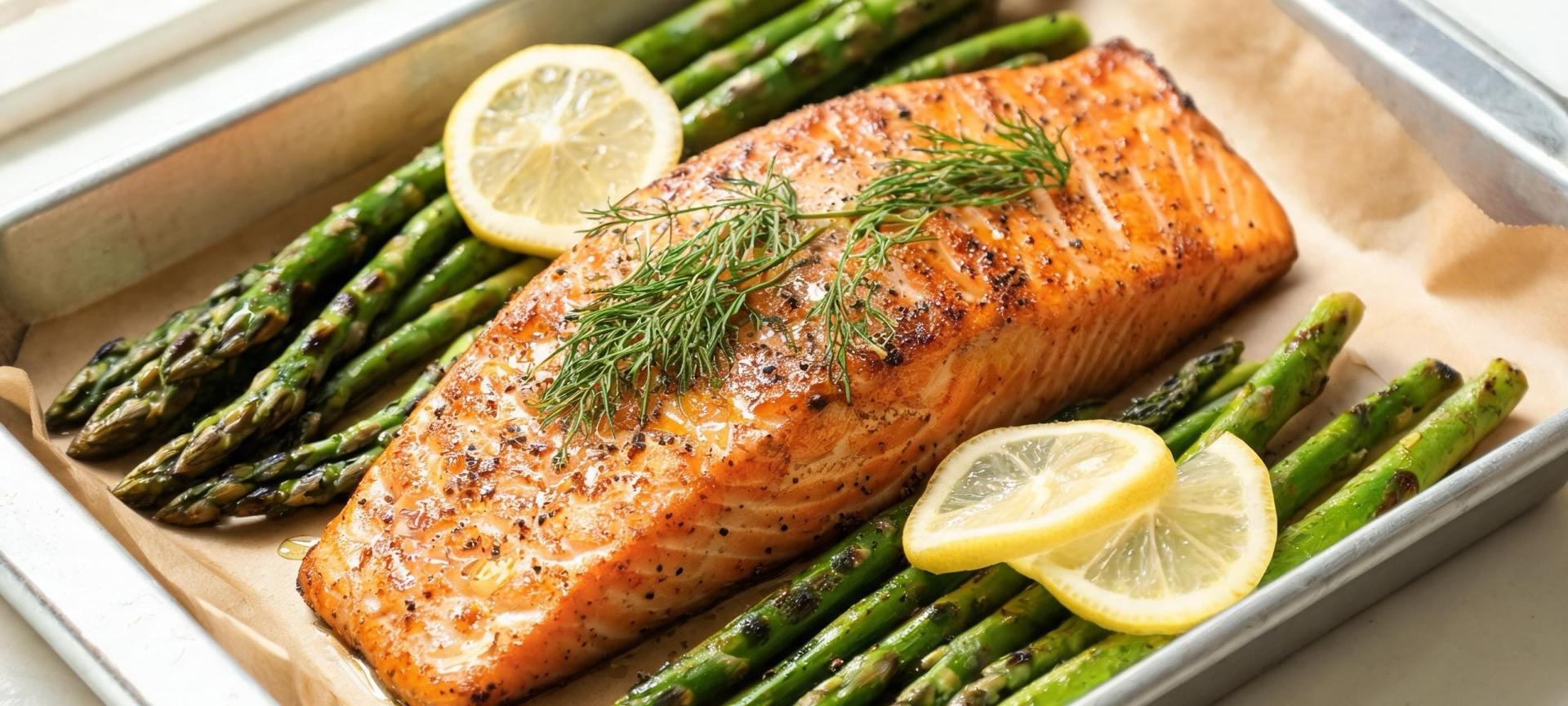
Lemon Herb Baked Salmon & Asparagus
Wild-caught Pacific salmon baked with fresh dill infusions and wood-fired lemon slices over shaved fennel greens.
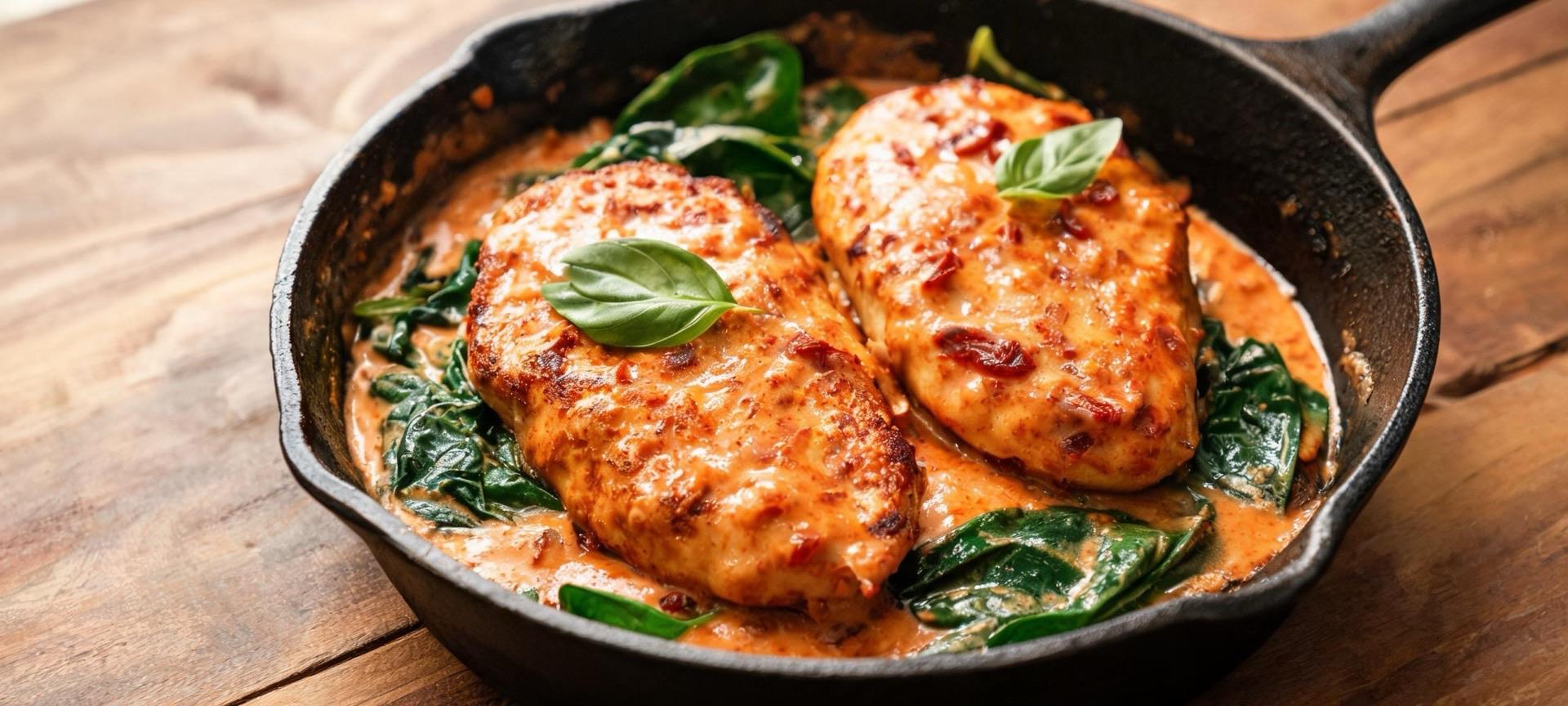
Garlic Basil Tuscan Chicken
Seared organic cutlets smothered in sun-dried tomato velvet cream with wilted wild spinach and cracked peppercorn.